What Makes a Tea Lymph-loving?
A gentle, doable way to support your body, one cup at a time.
As an herbalist, one of my favourite ways to connect with plants is through a cup of tea. It engages all five senses, and it can't be rushed. It's meant to be sipped.
I know it's hard to slow down, and easy to feel guilty when you do. A cup of tea is a small place to start, and I promise it's worth it.

A lymph-loving tea is a warm cup made with herbs traditionally used to support lymph flow, and it fits into the day you already have. It isn't a quick fix. It's a small, gentle way to support your body, mind, and spirit without adding anything to your list.
And I know that list.
Compression, movement, skincare, appointments. Some days it feels like a chore, or a second job you can’t leave.
Tea is different. I sip mine while I drop my kids off, type at the computer, or tidy up the house. It's something you're probably already doing. Small, steady moments like these can make your body feel a little lighter, and a little less like something you have to constantly manage.
Three ways herbs can activate the lymphatic system
1. Lymph-loving herbs. Herbalists call them lymphagogues. I still remember finding that word in a herbal book at a bookstore and thinking, "Herbs for my lymphatic system?!" I bought the book on the spot. Traditionally, these herbs are used to do one of three things:
act as a circulator stimulant and are vasodilating - which can encourage the movement of lymph
acts as an astringent, tightening tissues, and
can aid in breaking down cellular stagnation — that heavy, stuck feeling so many of us know.
2. Warmth and slowness. A warm cup invites us to pause and slow down. Sipping something warm through the day replenishes fluids and helps to cleanse the lymph and blood.
3. It’s water-rich. Hydration is key. When we are dehydrated, or lymph is thicker, making it hard to flow. Our bodies are 70%+ water and every tissue in the body replies on fluids to function. It is recommended that we consume half our weight in oz of liquid per day. Example: Someone who weighs 200 pounds, could aim for 100 oz water. 32 oz are in 1L, so this would be 2.95L of liquids/day.
If you don’t drink close to that, start adding more oz daily, to get closer to that amount over several weeks. This gives your body time to adjust and build up to your hydration potential. Think of when soils are dry, if they suddenly experience a strong rainfall, most of it runs off and isn’t absorbed. If it receives gentle, smaller rainfalls over time, more rain can soak in and improve hte quality/tecture of the soil.
“If you’re living with lymphedema, you’re often given a long list of things to manage—compression, movement, skincare, appointments.
And it can start to feel like a lot. Sometimes like. dreadful chore, or like Ground Hog Day over and over!
This is why I love tea in my day. It helps me feel like I’m supporting my body even while I’m doing everyday things like, dropping my kids off, typing on the computer, tidying up the house…
Because it’s not another system to follow…
it’s something you’re likely already doing— and can elevate with soft intention. ”
Understanding the lymphatic system (a traditional perspective)
The lymphatic system is vast—and we are still learning so much about it.
From a traditional medicine perspective, they had a good understanding and appreciation for the Lymphatic System. Traditional Chinese medicine, Ayurveda, and some traditions of Herbalism, refer to the Lymphatic System as the waters of the body. The complexity of the lymphatic system means it’s much more than a trash removal system. Lymphatics play several important roles in the body:
Nourishment → delivering water and fat soluble nutrients to the cells
Fluid balance → regulating the amount of fluids in the body, and the balance of electrolytes.
Immune support → acting as a highway for immune cells to travel on and get to the site of an injury in the body quickly
Detoxification → carrying cellular waste away from the cells towards the kidneys, bowels, lungs, and skin.
Memory → holding the imprints of what we’ve experienced.
That last one is something we don’t often see talked about.
In many traditional systems, water is understood to hold memory. Lymph—being the water of our body—can carry not just physical nutrients or waste, but also emotional energy from our everyday experience.

Fascinating, right?!
If water has memory and our cells are mostly water, then our cells have memory too. Our daily actions can support our bodies building new memories or returning to old ones.
When we make hydration a good habit, we are building new cellular memories and helping to improve the cellular health of our body, one sip at a time.
But what can you choose to benefit the lymphatic system?
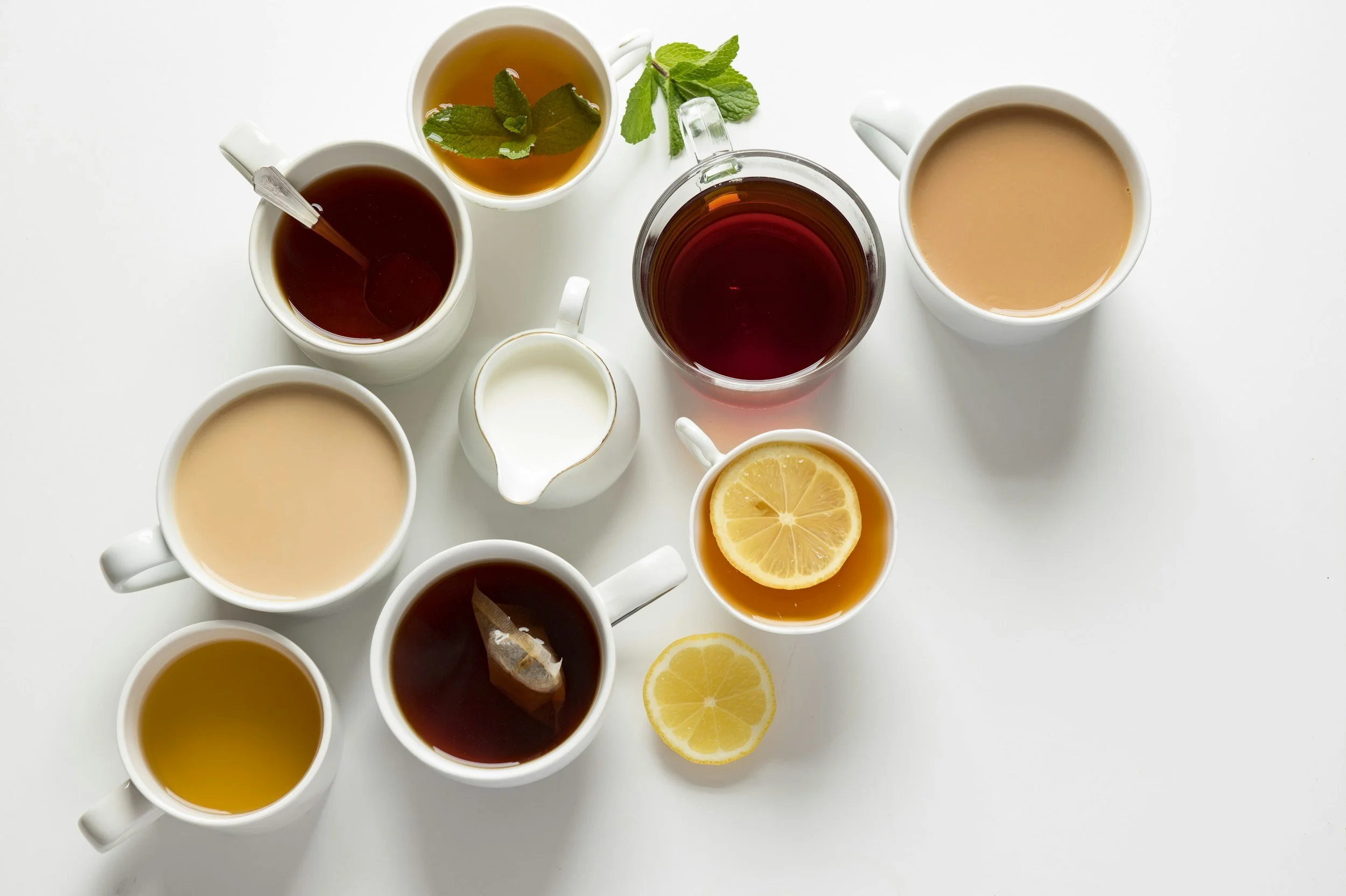
Here are a few of my favourites Lymph-loving herbs to make tea with.
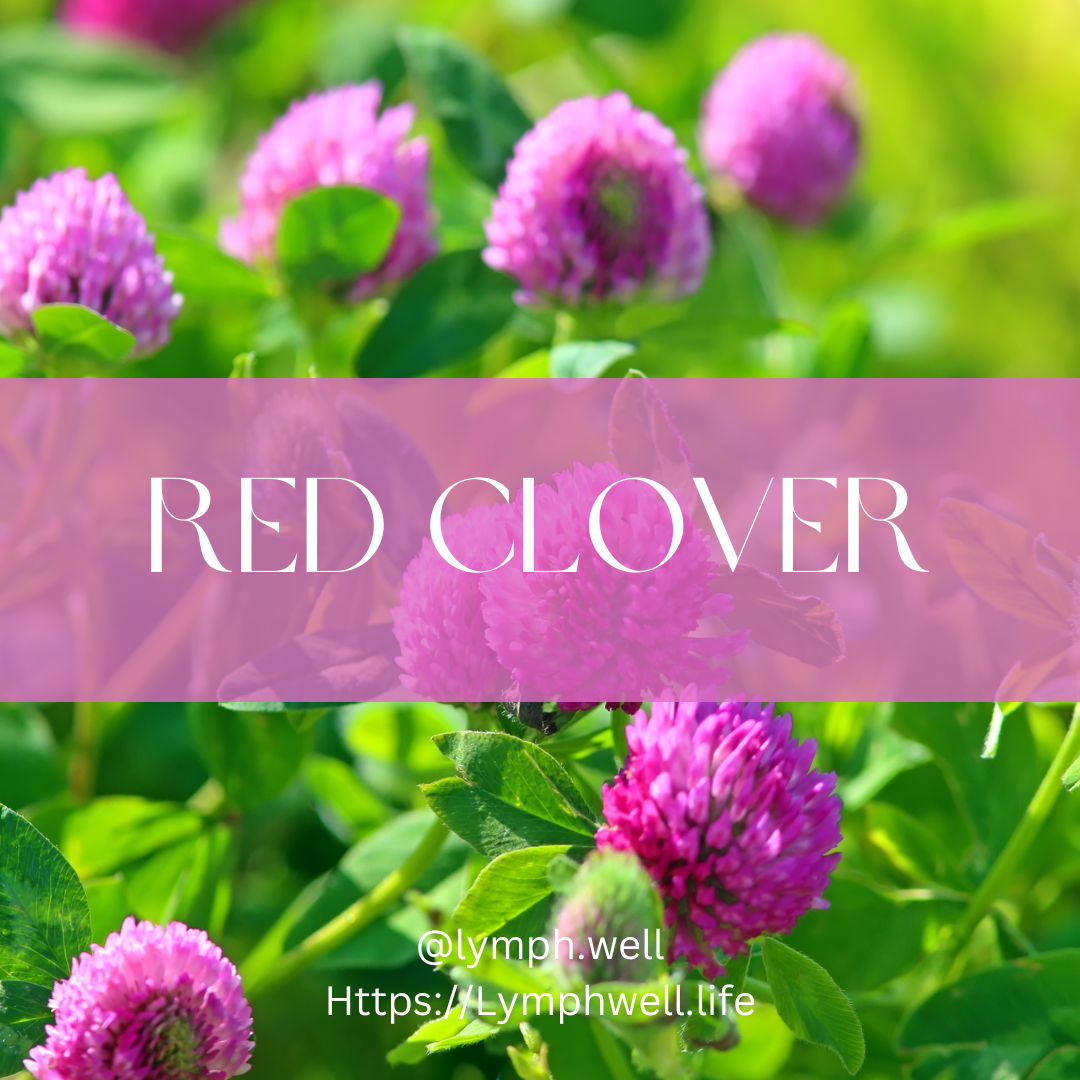
Red Clover
A soft, nourishing lymph mover that helps clear congestion and support lymph nodes. Is flowers often have a sweet smell. It’s a honeybee favourites because of the rich nectar it has.
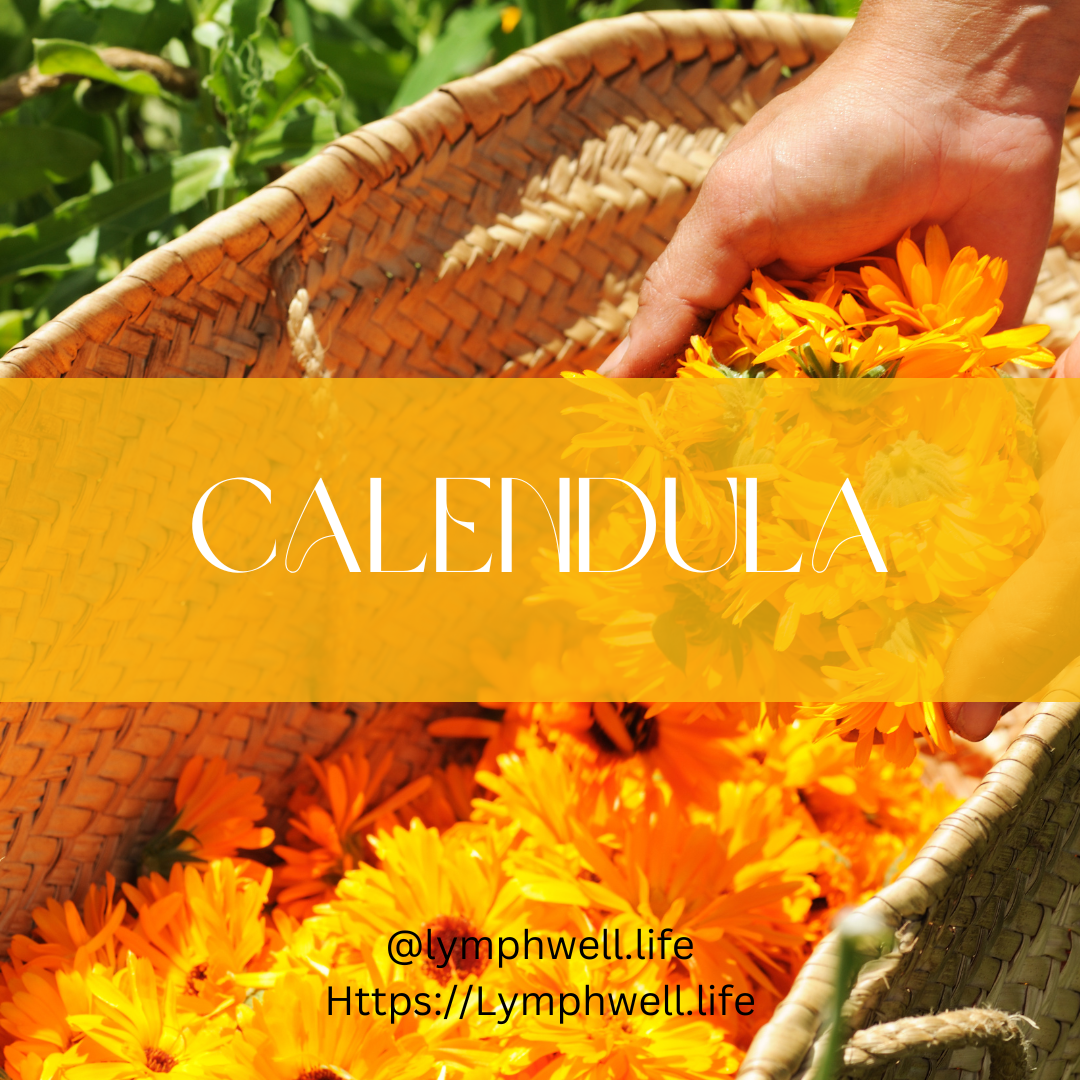
Calendula
Supports lymph flow while also soothing inflammation and supporting skin health. Its bright sunny petals bring a smile ot my face. The head of the flower has resinous sap on it, and that sap is very wonderful for the lymph and skin healing. It doesn’t mea lovely tea on its own, having a slight hay like taste, but adding a little to your blend can give you the benefits, or it is nice to sprinkle some in your soup for seasoning like you would a bay leaf.

Cleavers
A classic lymphatic herb—gentle, effective, and deeply supportive for moving stagnation. This plant is also know as sticky weed, because it sticks to itself, and get caught up in things in the garden or fields. Its stickyness is important in the body. It’s thought that it grabs onto waste and toxins that shouldn’t be there and help the body remove them. Most potent fresh as a tea, or in a smoothi. Dried, it loses much of it’s potency, but some people still swear by it in there teas. So give it a try and see if it helps. You never know, ot just might be the plant friend you need.

Burdock Root
Grounding and cleansing—supports the liver, blood, gut, skin, and lymphatic system together. Has a bitter earthy taste that is nice in a roasted roots blend. Burdock root is cooling energetically.
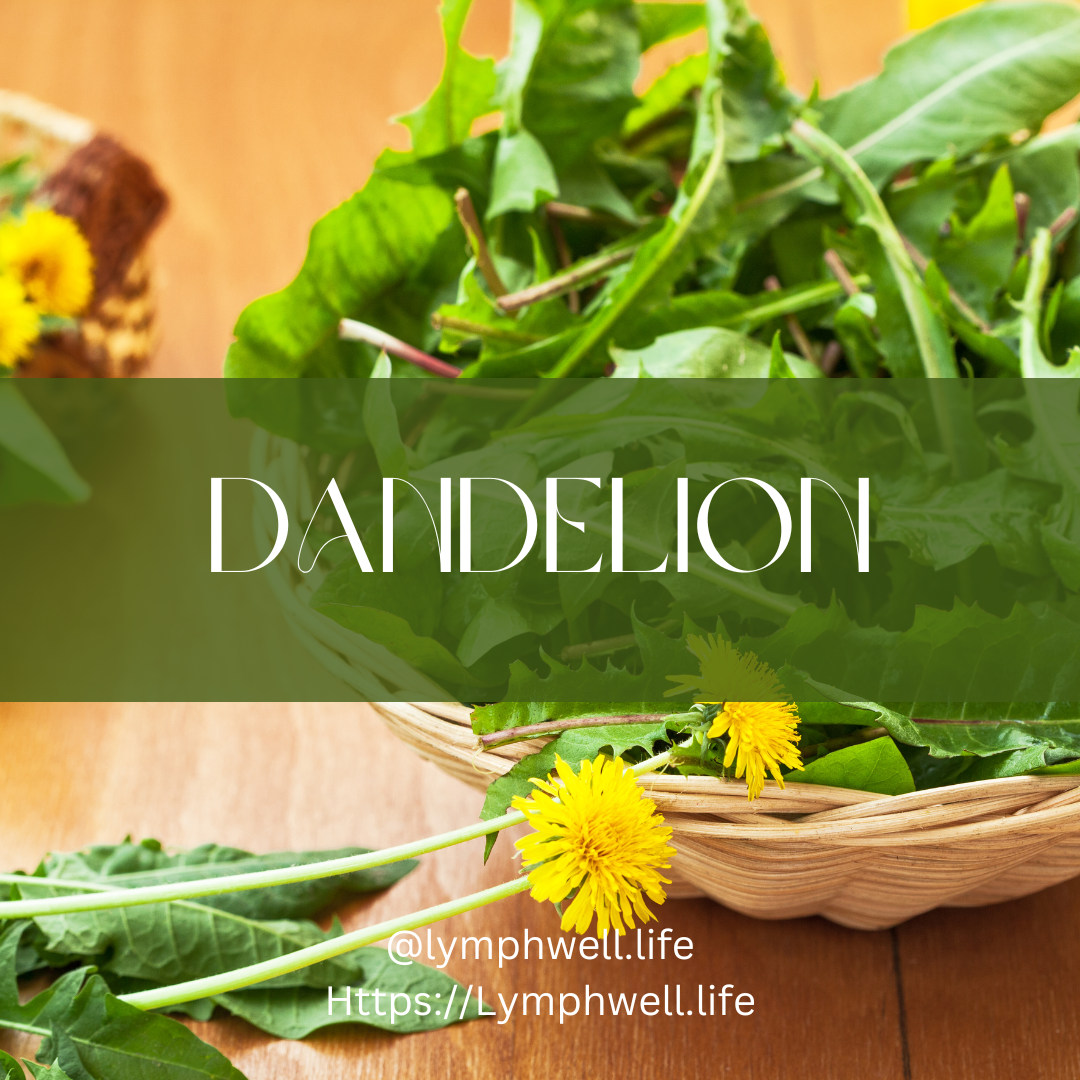
Dandelion Root + Leaf + Flower
Bitter, mineral-rich, and supportive for digestion, detoxification, and flow.

Ginger Root
This root is warming and activating—supports circulation and helps move stagnation. A true lymph-lover. The herbal cheerleader, hype-girl that can amplify the effects of the other herbs that are in the blend.

Chickweed
Cooling and moist. Chickweed pops up in gardens in the spring, a favourite food to forage of chickens, hense the name. :) This herb supports fluid balance in the body and helps calm inflammation in the tissues.
These herbs don’t force the body. They support it in doing what it already knows how to do. Our bodies are wise. Let that belief sink in and feel it in your heart.
Taste as a guide (a herbalist’s quiet tool)
There are many more herbs that are helpful to the lymphatics. One of the simplest ways to discover them is through taste.
Taste gives us clues about how a plant interacts with the body. Our body responds to taste. For lymphatic support, two tastes that are especially helpful are:
Astringent - feels tightening, drying
tones tissues
supports fluid movement
helps reduce stagnation
Examples:
Green tea, matcha
Nettle
Red Clover
Raspberry Leaf
Yarrow
Sage
Bitter - you feel this at the back of your tongue. It makes you salivate
stimulates digestion - which begins in the mouth.
encourages movement in the gut and lymphatics
supports detox pathways
Many bitter greens are the first foods to spring up in the spring like Dandelion Greens, Plantain Leaves,
Examples:
Dandelion roots and greens
Calendula
Chamomile
Burdock Root
Chicory root and leaves
These tastes may seem subtle…
but over time, they create meaningful shifts.
The bigger picture
The lymphatic system doesn’t work in isolation.
It’s connected to:
digestion
immunity
circulation
nervous system
So a “lymph-loving” tea might also include herbs that are:
calming
pain relieving
mood supporting
energizing
gut-supportive
Because when you support the whole system…
the lymph benefits too.
“When your lymphatic system feels out of balance, it’s hard not to notice your body all the time. I get you. I’ve felt that too. That hyper vigilance. The constant noticing, assessing —
The swelling.
The heaviness.
The constant awareness.
Supporting lymphatic flow isn’t about perfection—
it’s about creating small moments where your body feels a little lighter,
and a little less like something you have to constantly manage.”
Simple lymph-loving tea blends
These are the kinds of blends I love—and the kinds you’ll find in the Lymphie BFF Box:
🌿 Everyday Lymph Support
Green Tea + Calendula + Red Clover + Ginger
Light, fresh, and gently energizing
Supports circulation, movement, and skin health
🌾 Rooted Nourishment Blend (Coffee Alternative)
Roasted Chicory + Burdock Root + Dandelion Root
Deep, grounding, and supportive
Helps digestion, detoxification, and lymph flow
Tea offers us a slower, more supportive approach for our whole body
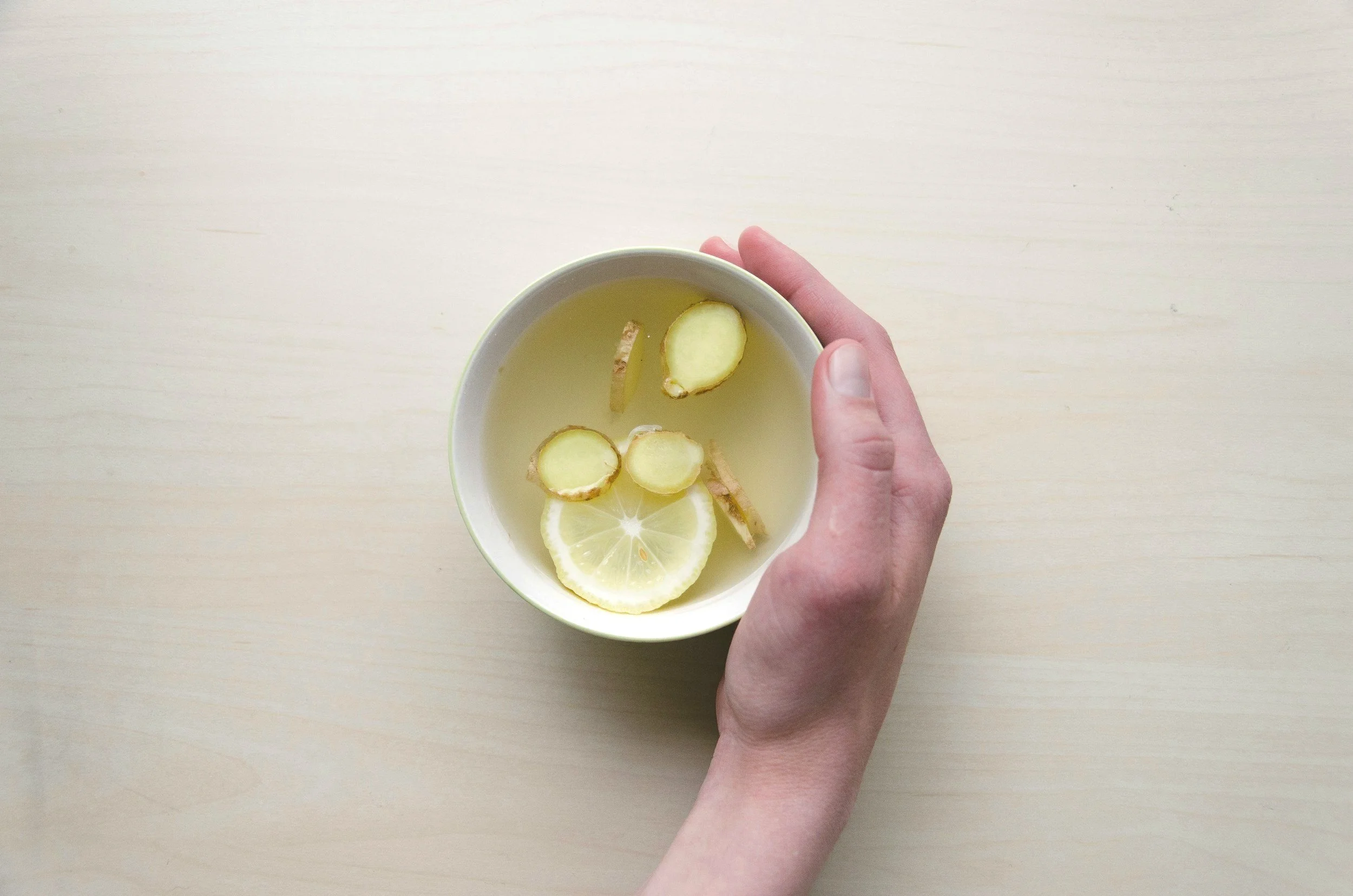
Herbal support isn’t about doing everything perfectly.
It’s about:
consistency
simplicity, and
listening
Slow and steady really does matter here. Because the goal isn’t to force change—
it’s to support your body in a way that feels sustainable, and
Sometimes…support looks like:
warming water
steeping herbs
and taking a moment for yourself.
Drop down into that and savour the moment you have created for yourself.